“coffee origin Peru” search results (400)

Boutique Coffee detailed explanation of Fine Coffee (Specialty coffee)
Coffee producing countries have a unique set of criteria for the grading and evaluation of coffee, which can be used as an indicator of international business. In recent years, coffee consuming countries have begun to require the introduction of a new evaluation scale, the concept of boutique coffee. In the past, coffee evaluation scale 1. The quality is highly evaluated by the place of origin 2. The evaluation of quality by sieve is the tacit understanding of the international coffee business market.
2014-10-13 Coffee knowledge boutique coffee fine coffee
Introduction of major coffee producing areas in the world Central and South American coffee beans, African coffee beans, Asian coffee beans
[introduction] Coffee comes from coffee beans, which are harvested and processed from the fruit of trees. Coffee trees grow at the center of the equator, between latitudes of 25 degrees south and north, and are called coffee belts in the homes of tropical or subtropical countries. at present, raw coffee comes from coffee beans, which are harvested and processed from the fruits of the trees. Coffee trees grow at the center of the equator.
2016-04-22 World main coffee producing areas introduction Central and South America coffee beans Africa Asia
An introduction to the Origin of Coffee from the Galapagos Islands in Ecuador
In 1535, Flatoma de Belanga and others of Spain stumbled upon the Galapagos Islands. Thomas was born in 1487 on the Duro River in the province of Soria, Spain. He was the fourth bishop of Panama at that time. He was ordered to go to Peru. When his ship set sail from Panama on February 23, under the impact of a strong current, they were taken to the unknown surface of the ocean.
2016-06-23 Ecuador Lapa Goss archipelago coffee origin introduction Hasenda coffee garden
Introduction of major coffee producing areas in the world
Coffee comes from coffee beans, which are harvested and processed from the fruit of trees. Coffee trees grow at the center of the equator, between latitudes of 25 degrees south and north, and are called the homes of tropical or subtropical countries called coffee belts. At present, there are about 60 coffee-producing countries. Coffee is produced in South America, Central America, the West Indies, Asia, Africa, Arabia, the South Pacific and
2014-08-15 Coffee knowledge world coffee producing areas coffee bean producing areas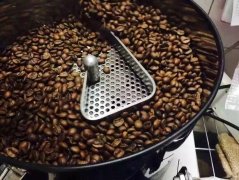
Introduction of major coffee producing areas in the world
Coffee comes from coffee beans, which are harvested and processed from the fruit of trees. Coffee trees grow at the center of the equator, between latitudes of 25 degrees south and north, and are called the homes of tropical or subtropical countries called coffee belts. At present, there are about 60 coffee-producing countries. Coffee is produced in South America, Central America, the West Indies, Asia, Africa, Arabia, the South Pacific and
2015-10-27 World main coffee producing area introduction boutique coffee beans is from
The main coffee producing areas in the world introduce the types of fine coffee beans.
Coffee comes from coffee beans, which are harvested and processed from the fruit of trees. Coffee trees grow at the center of the equator, between latitudes of 25 degrees south and north, and are called the homes of tropical or subtropical countries called coffee belts. At present, there are about 60 coffee-producing countries. Coffee is produced in South America, Central America, the West Indies, Asia, Africa, Arabia, the South Pacific and
2015-01-27 World main coffee producing areas introductions boutique coffee beans types are from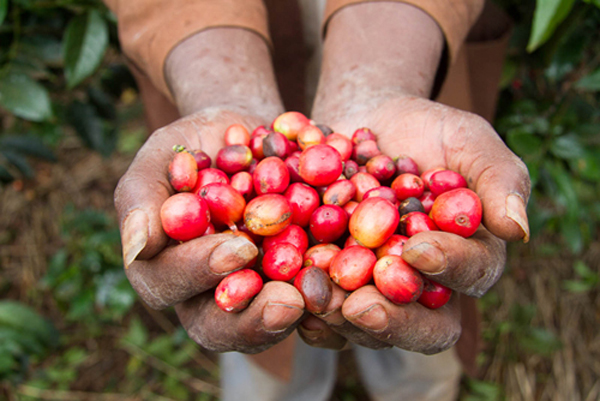
The most detailed introduction to coffee beans in the world. Coffee beginners must see the knowledge points
Coffee comes from coffee beans, which in turn are harvested and processed from the fruits of trees. Coffee trees grow at the equator as the center, between 25 degrees north and south latitude, known as the coffee belt tropical or subtropical countries home, coffee production countries currently have about more than 60 countries, coffee production in South America, Central America, West Indies, Asia, Africa, Arabia, South Pacific and
2015-12-02 world coffee beans most detailed detailed introduction beginner coffee must-see knowledge
Coffee Estate Knowledge Points: Collection and classification of world boutique coffee estates in detail
Coffee comes from coffee beans, which are harvested and processed from the fruits of trees. Coffee trees grow at the equator as the center, between 25 degrees north and south latitude, known as the coffee belt in tropical or subtropical countries home, coffee beans are currently. Coffee comes from coffee beans, which in turn are harvested and processed from the fruits of trees. Coffee trees grow at the equator.
2015-12-25 coffee estate knowledge essentials world boutique collection classification detail introduction
Introduction of Coffee beans Distribution Map of Coffee growing areas in the World
1. Costa Rica Costa Rica 2. Cuba Cuba 3. Dominican Republic Dominican Republic 4. Ei Salvador El Salvador 5. Guadeloupe Guadeloupe 6. Guatemala Guatemala 7. Haiti Haiti 8. Honduras Honduras 9. Jamaica Jamaica 10. Martinique Martinique 11. Mexico Mosi
2015-11-09 Coffee beans introduction World Coffee planting Origin Distribution Map Costa R
Bolivian snow vein manor coffee grinding treatment variety price production area taste introduction
Lake Titicaca Copacabana Country: Bolivia Altitude: 3812m Origin: Lake Titicaca Roast: Medium Roast Treatment: Washed Variety: Iron PickerProducer: Copacabana Smallholder Flavor: Roasted Nuts with Dry Aroma of Almonds, Orange, White Pomelo Lake Titicaca is located on the Coyao Plateau at the border between Bolivia and Peru.
2016-10-15 Bolivia snow vein estate coffee grind treatment variety price region mouth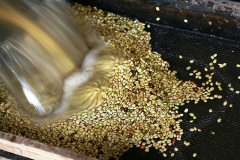
Arabica bean treatment method raw bean treatment semi-washing drying method Peruvian water washing treatment
The semi-washing method first removes the skin with water, and then goes to the sun. This is a relatively new and rare method. This method is only suitable for specific areas of some countries, with a long drying period. The coffee produced by this method is sticky, and the mucus is not removed as it is fermented in the tank. Therefore, the coffee produced by this semi-washing method contains water washing method.
2016-03-30 Rabbi Kadou treatment Dharma washing drying French Peru semi-water
Introduction of Coffee producing area in America-- Ecuador Galapagos Coffee Ecuador Coffee Taste
Well-known representative coffee: Galapagos is between Colombia and Peru, and Ecuador, which passes through the equator, is one of the few countries in South America that produces both Arabica and Robastian coffee. In fact, Ecuador means the Spanish equator. Due to the use of old-fashioned traditional harvesting and handling methods, Ecuadorian coffee has not been
2016-03-31 America Coffee Origin introduction Ecuador Lapa Goss taste well-known generation
Introduction to the main Coffee producing countries in the World
JAVA Market name: Blawan, Jampit. KENYA: Kiambu, Thika, Ruiru, Meru, Embu, Kisii. Market name: Kenyas, Nairobi. Madagascar (MADAGASCAR) producing areas: North West, Central East, South East. Market name: Madagascarian. Mexico (MEXIC
2015-01-19 Coffee producing country World main Origin introduction Java JAVA Market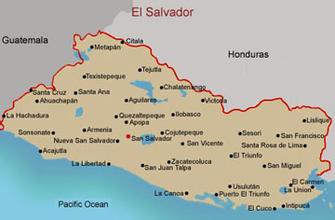
Introduction to the world's three major coffee producing areas: American coffee estates and detailed explanation of coffee from each producing area
Coffee production in the Americas refers to Central America and South America, and the areas north of Mexico are basically non-producing coffee beans. Coffee production in the Americas is mainly distributed in the Tropic of Cancer to the equator, and several countries in Central America are basically coffee producing countries. Brazil, located in South America, is the world's largest coffee producer. Just like the spread of coffee, it cannot be separated from the era of great navigation.
2015-12-26 world big three coffee region presentation americas estate detail explanation
Introduction to the Flavor and Taste of High-quality Coffee Bean Manor
In 1863, rich saltpetre deposits were discovered in Atacama province along the Pacific coast. In 1879, Chile sent troops to occupy the mining area, and Bolivia joined forces with Peru to wage the Pacific War with Chile. Bolivia was defeated in 1883 and ceded the saltpeter-rich Pacific coast to Chile in 1904. Bolivia lost its only coastal province, including the important port of Antofagasta, from
2016-09-22 Bolivia coffee flavor variety producing area characteristics boutique coffee beans manor
Introduction to boutique coffee with obvious rich flavor and taste characteristics of Bolivian coffee manor
In 1863, rich saltpetre deposits were discovered in Atacama province along the Pacific coast. In 1879, Chile sent troops to occupy the mining area, and Bolivia joined forces with Peru to wage the Pacific War with Chile. Bolivia was defeated in 1883 and ceded the saltpeter-rich Pacific coast to Chile in 1904. Bolivia lost its only coastal province, including the important port of Antofagasta, from
2016-08-12 Obvious rich Bolivia coffee manor producing area flavor taste characteristics essence
What's the difference between Blue Mountain Coffee and regular Coffee? where is the origin of Blue Mountain Coffee?
Peruvian coffee beans, because the flavor of Blue Mountain coffee is rich, balanced, fruity and sour, can meet people's various needs. In addition, the flavor of high-quality fresh Blue Mountain coffee is particularly long-lasting, as drinkers say-endless aftertaste. Blue Mountain Coffee perfectly combines the unique sour, bitter, sweet and mellow flavors of coffee to form a strong and attractive elegance.
2016-05-22 Blue Mountain Coffee ordinary Taste what different Origin where Peru Coffee beans
Peruvian coffee has both the brightness of Central American coffee and the mellowness of South American coffee.
Fine coffee is made from boutique coffee beans. If the beans that make coffee are not boutique coffee beans, the coffee liquid produced cannot be called fine coffee. Boutique coffee is fresh coffee. Whether it's food or drink, of course, the fresh the better, and so is boutique coffee. High-quality coffee should keep the beans fresh before making, including the preservation of roasted beans, and the coffee should be made before making.
2016-06-02 Peru coffee both Central America brightness South America mellow boutique
Colombian Coffee Flavor with soft taste introduction to the characteristics of Fine Coffee beans in Manor area
In 1501, the Spaniard R.de Bastidas first reached the northern coast of Colombia and founded the city of Santa Marta in 1525. In 1533, P.de Eredia established Cartagena. In 1535, G. Simone de Xada led the Spanish colonial army into the interior of Colombia, conquered the Chibucha, established the city of Bogota, and Colombia became a Spanish colony. At the beginning
2016-09-03 Taste soft Columbia coffee flavor manor producing area characteristics boutique
Introduction to the Flavor and Taste characteristics of Columbia Coffee Manor
In his letter from Jamaica in 1815, Bolivar envisioned that when South America was liberated from Spanish colonial rule, New Granada and Venezuela should form a country, named Colombia. In August 1819, Bolivar's Patriotic Army defeated the Spanish colonial army at the Battle of Boyaca and liberated Bogota. So, New Granada and Venezuela
2016-08-15 Columbia Coffee Manor producing area Flavor palate characteristics introduction Raz Mo